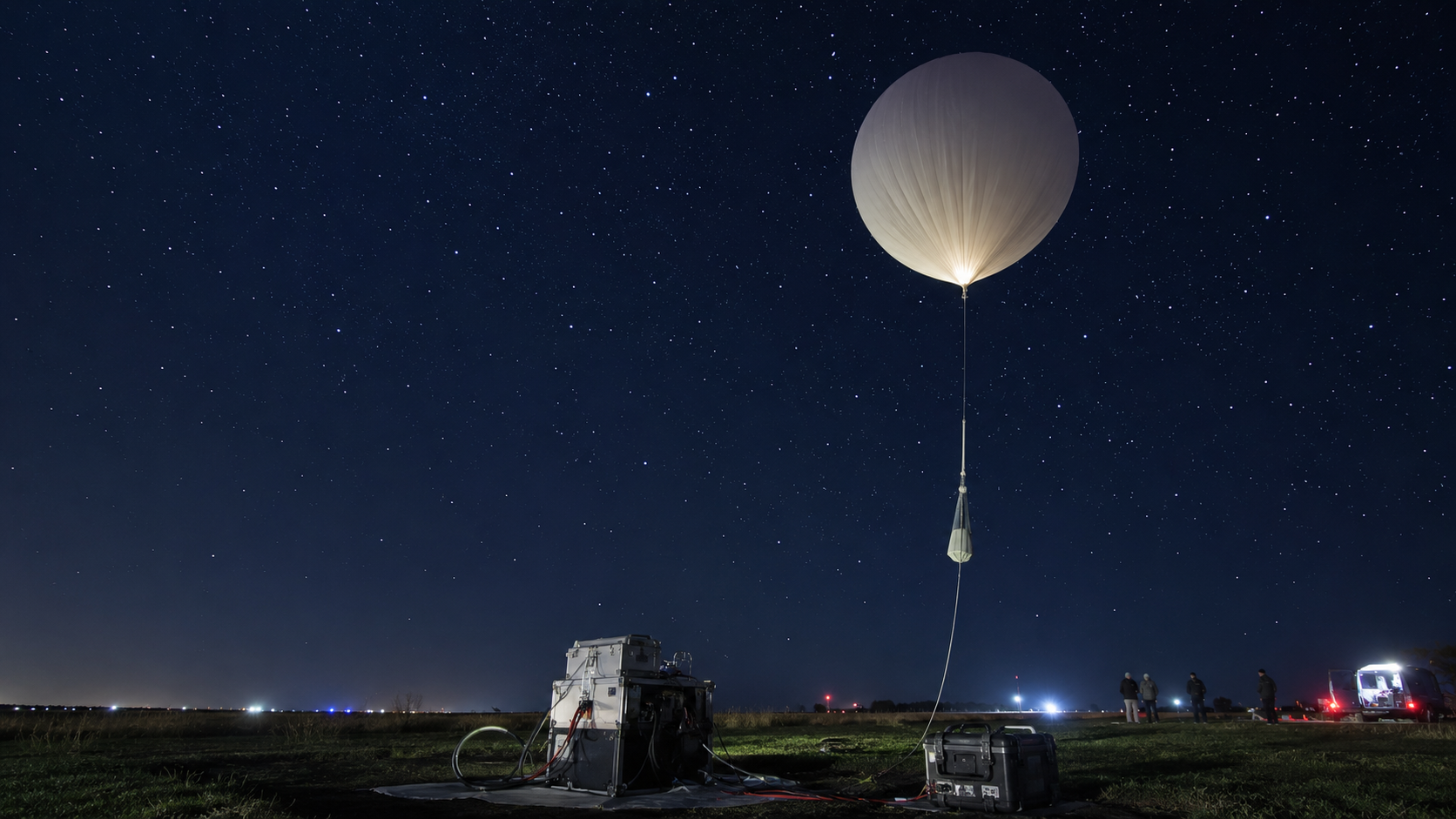
Our LFP Cell’s First Stratospheric Flight
We are pleased to share that Greenectra’s newly developed high-rate 18650 LFP battery cell has completed its first stratospheric flight.This

We are pleased to share that Greenectra’s newly developed high-rate 18650 LFP battery cell has completed its first stratospheric flight.This
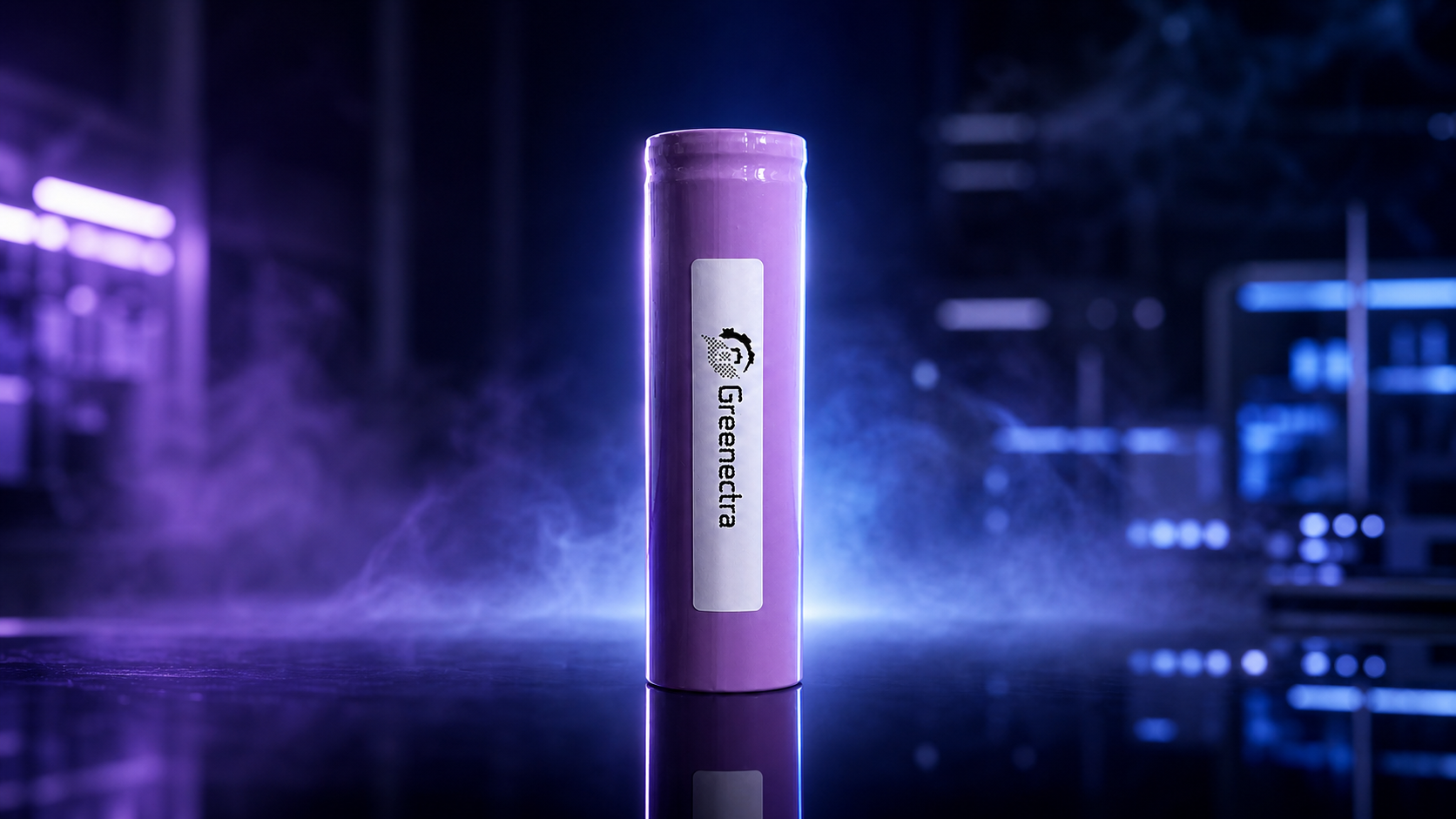
This project started with the idea of a portable power supply that can operate in very challenging conditions and which
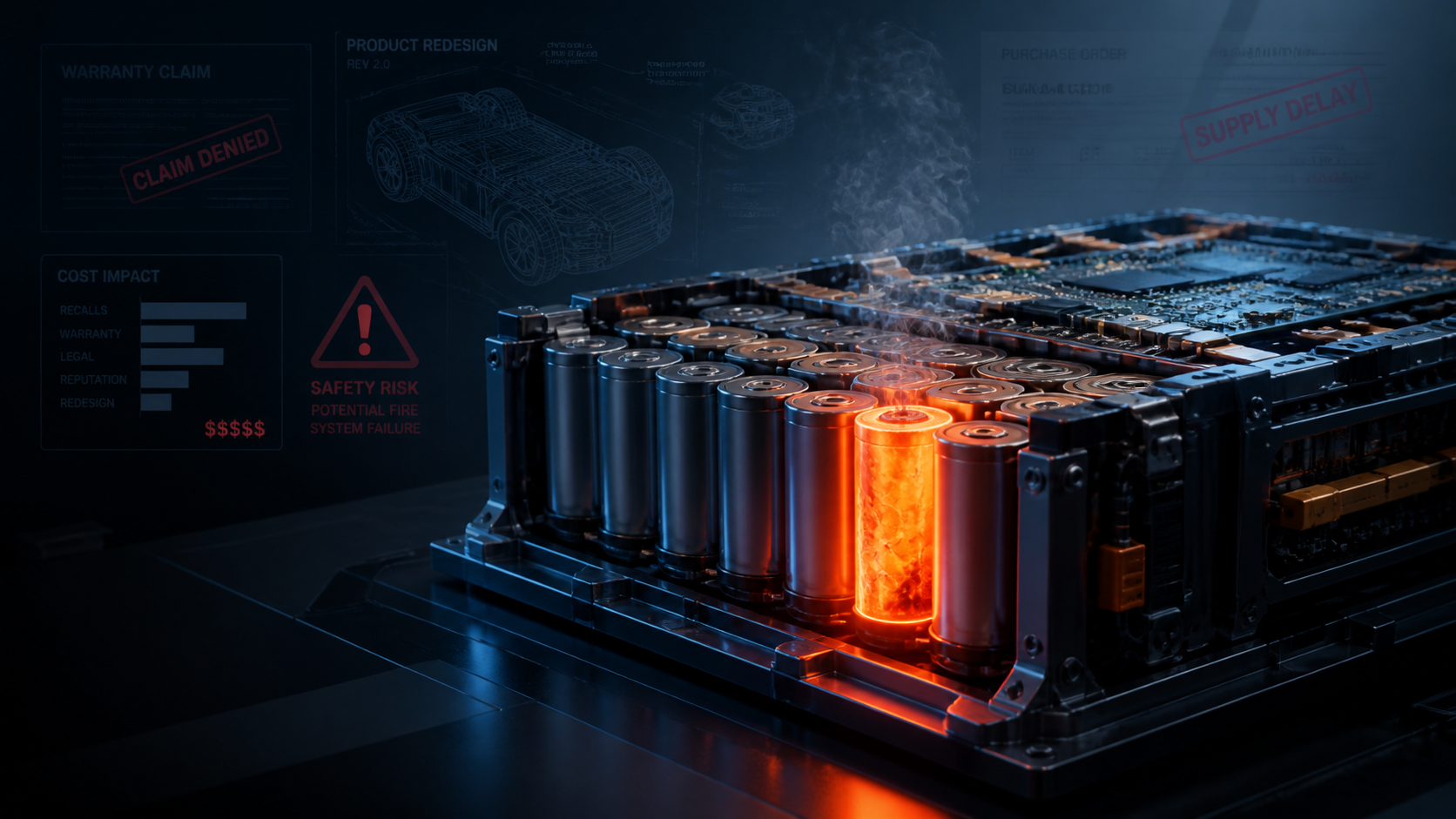
Most battery failures are not caused by only choosing the wrong cell, although finding the right cell for an application
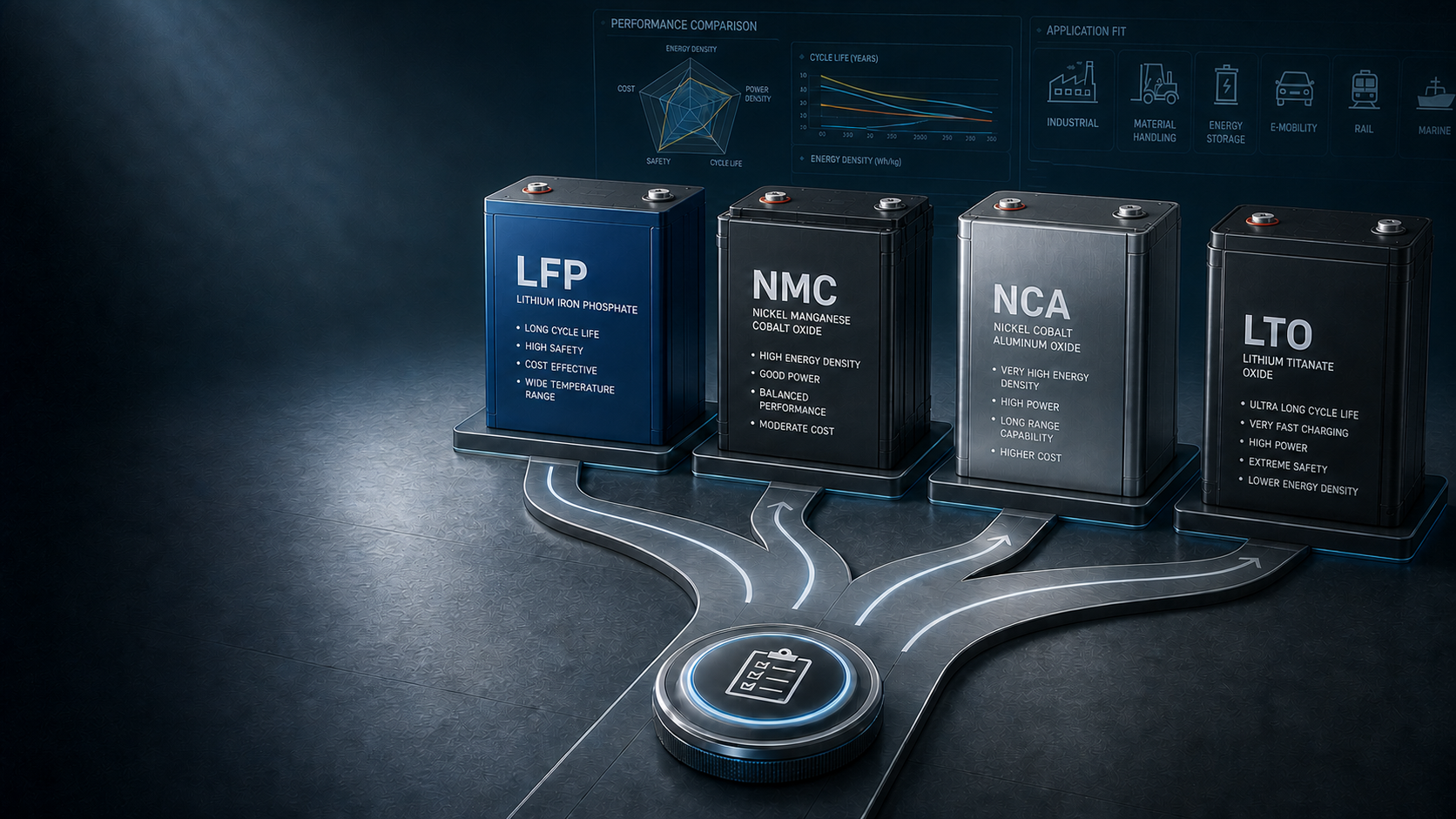
We use LFP for long lifetime, cheap and safe systems; NMC and NCA for higher current rates and higher energy

When a battery supplier promises long cycle life, high capacity, fast charging, wide temperature operation, and a strong warranty, the
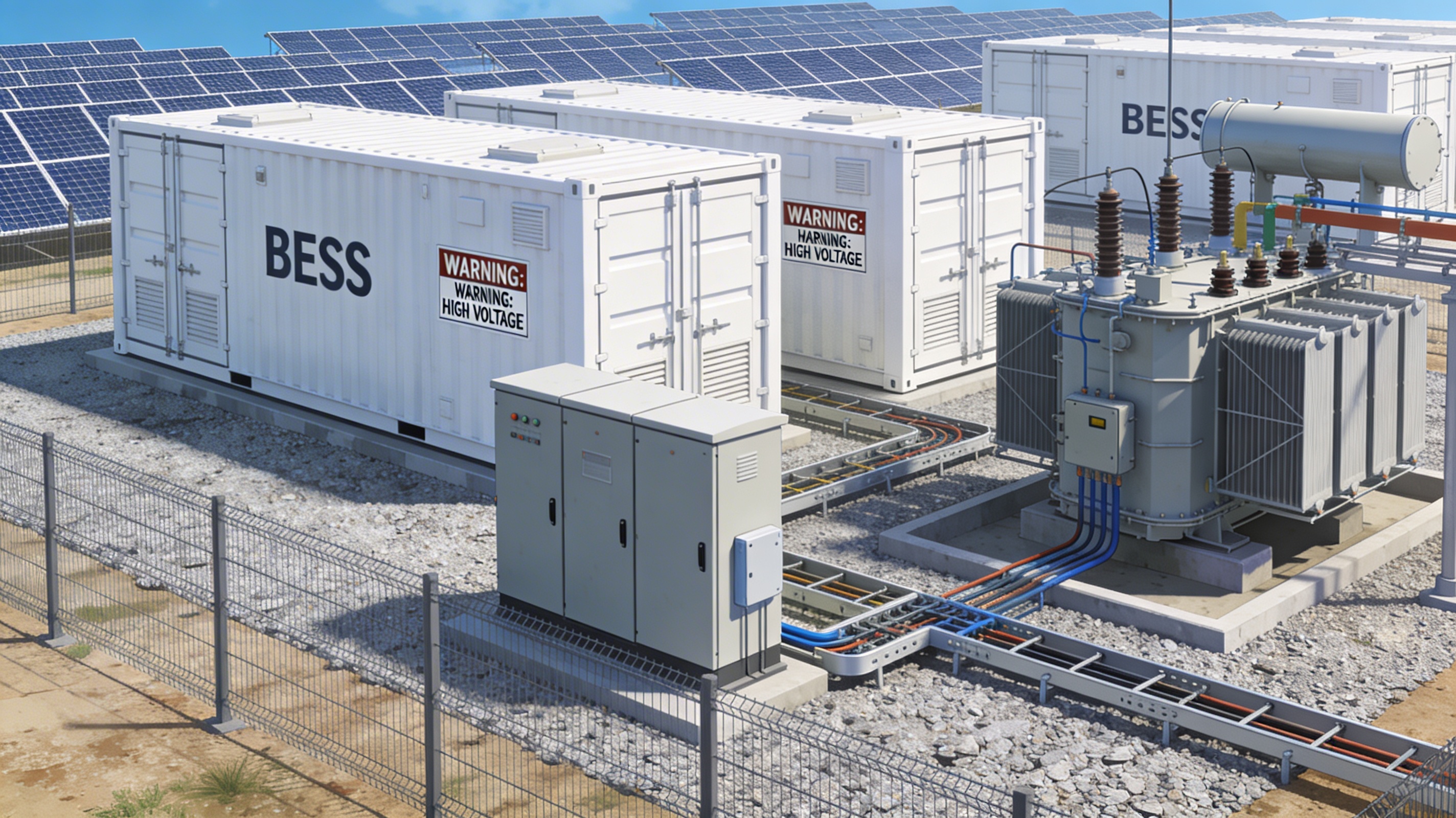
Over the past months I travelled through the United Arab Emirates, Thailand and China, and the insights below come directly

The following article was created by Dr. Harrison Wong. A Turning Point in Global Battery Trade China’s new battery export
The topic of Li-ion battery aging continues to fuel conversations in the energy storage industry. While this article does not
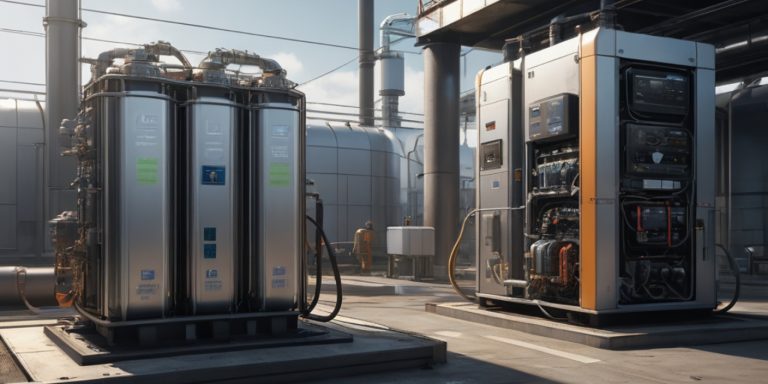
In the transition to renewable energy, batteries and hydrogen technologies are often viewed as competing solutions. However, this perceived rivalry

Gabriela Bergiel, a talented student at AGH University of Science and Technology in Krakow, is taking battery research to new

The article is based on a webinar held on September 11, 2024, featuring an interview between Dr. Frank Richter, CEO
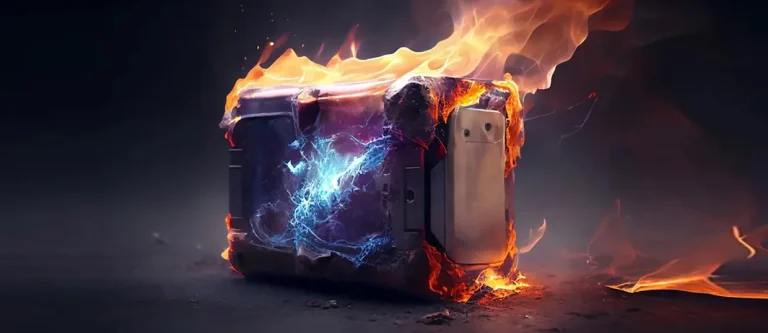
Li-ion batteries can catch fire or explode due to a thermal runaway, often triggered by overcharging, physical damage, or manufacturing
Li-ion batteries are typically charged in two main phases: the Constant Current (CC) phase and the Constant Voltage (CV) phase.

The rapid growth of the Li-ion battery industry has led to a surge in the deployment of these batteries across