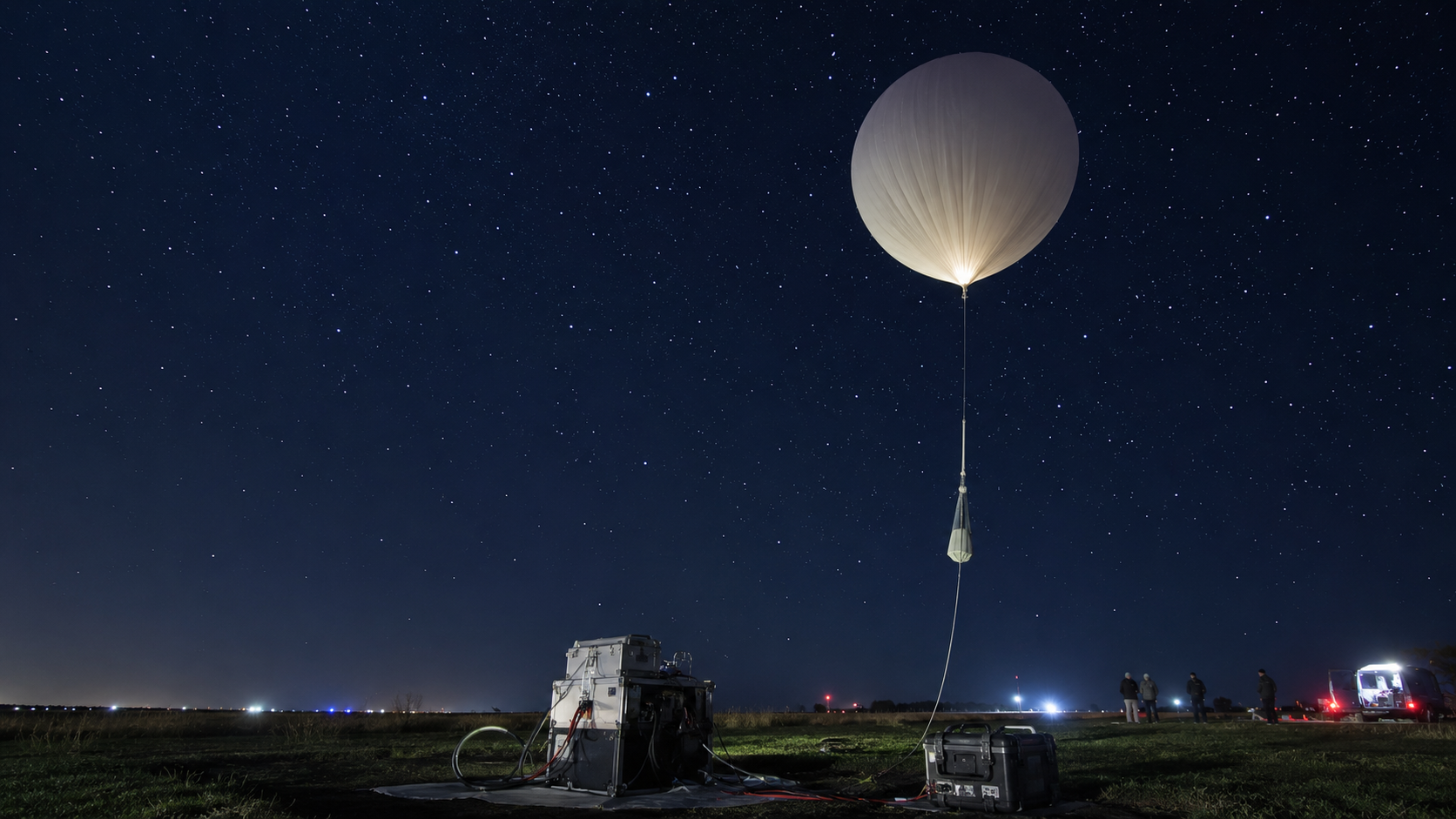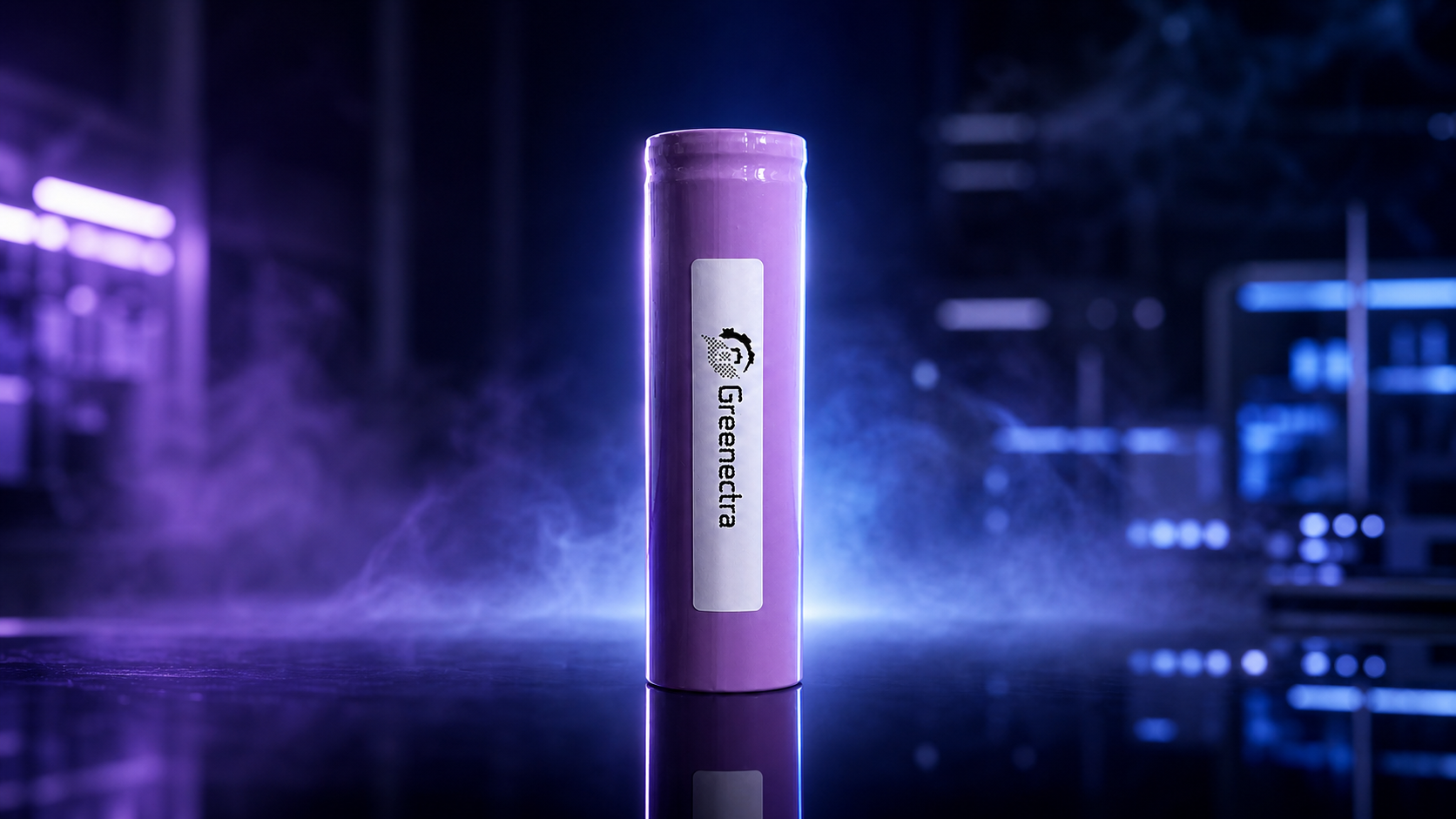
We are pleased to share that Greenectra’s newly developed high-rate 18650 LFP battery cell has completed its first stratospheric flight.
This milestone builds on our earlier work on the development of our high-rate 18650 LFP cell and on the project described in From BattXcel to Stratosphere. In that earlier project, BattXcel Pro alumna Gabriela Bergiel developed a dedicated high-altitude test rig for battery operation during a balloon flight. During the latest flight, the balloon reached 26 299 m.
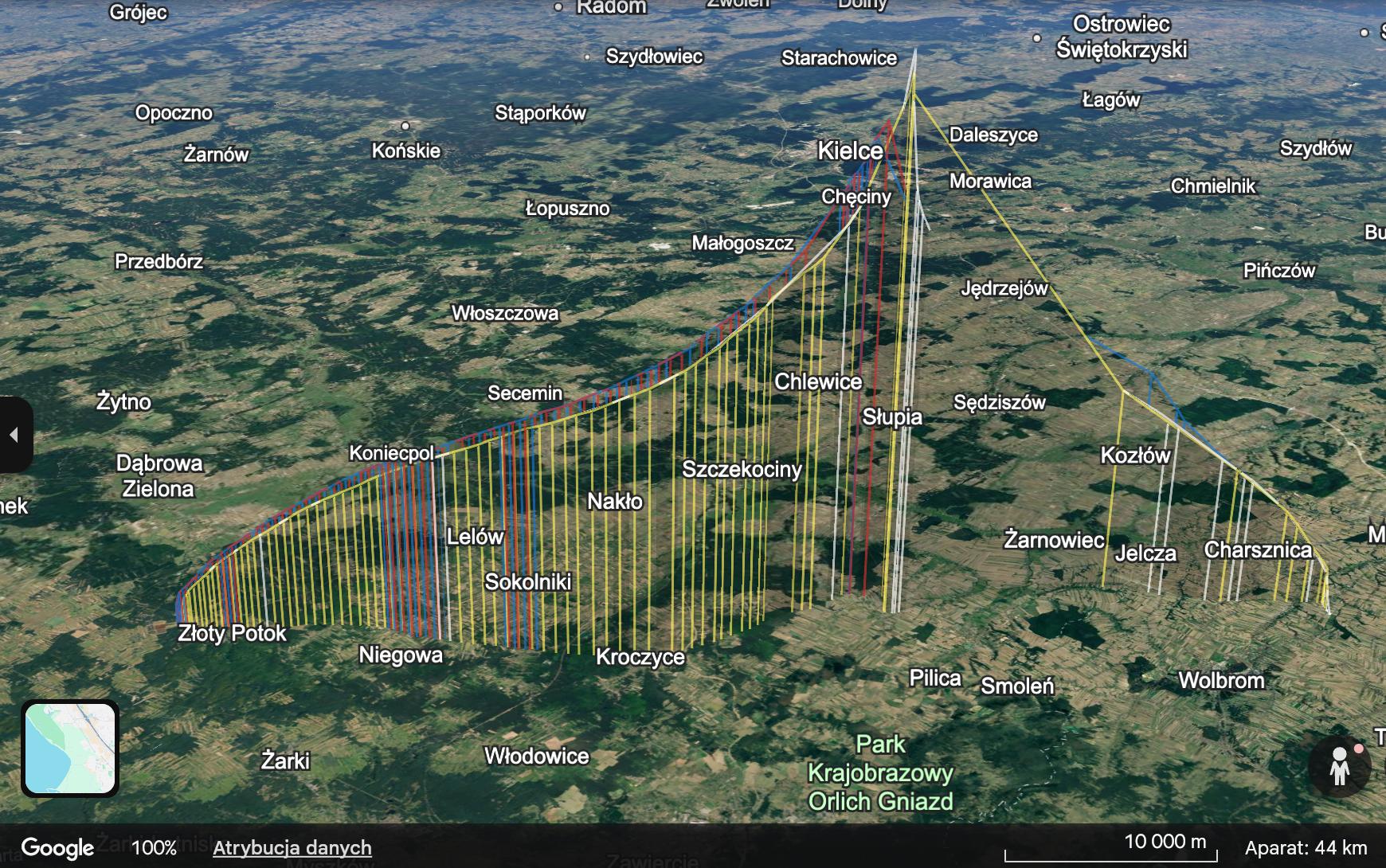
For the recent mission, our objective was focused: to expose the newly developed cell technology to the stratospheric environment at a defined state of charge (SOC), without electrical operation during the flight. This approach allows us to examine the effect of the flight environment itself—particularly substantial temperature variation and low atmospheric pressure—without adding load-related electrochemical and thermal effects. It provides a controlled baseline for the next phase of the work.
Comprehensive cell characterization is performed before and after the flight. We compare relevant electrical and performance parameters to identify whether, and to what extent, stratospheric exposure affects cell behaviour and condition. As a part of the tests, we look at the pseudo OCV in discharge direction (measured at very low current, having de facto open circuit conditions during the whole test) before and after the flight. This test also gave us the discharge capacity. Comparison of the test data acquired before and after the flight showed basically no change in either the OCV–SOC relationship or the cell capacity. Although the measured discharge capacity appeared to even increase slightly after the flight, the magnitude of this increase was not considered significant and was likely within the measurement uncertainty. As a result, we consider this first stratospheric flight test a full success.
The completed flight is the first step in a broader validation programme. The next phase will involve operating the battery during the flight, allowing us to study its response under combined environmental and electrical stress. For Greenectra, this work is part of a practical approach to battery development: moving beyond laboratory conditions and generating evidence under demanding, application-relevant environments.
Legal Disclaimer
The information provided in this article is for general informational purposes only and represents a personal view. All information is provided in good faith; however, Greenectra OÜ makes no representation or warranty of any kind, express or implied, regarding the accuracy, adequacy, validity, reliability, availability, or completeness of any information.
Under no circumstances shall Greenectra OÜ be held liable for any loss or damage of any kind incurred as a result of the use of this information or reliance on any information provided. Your use of this information and your reliance on any information is solely at your own risk.