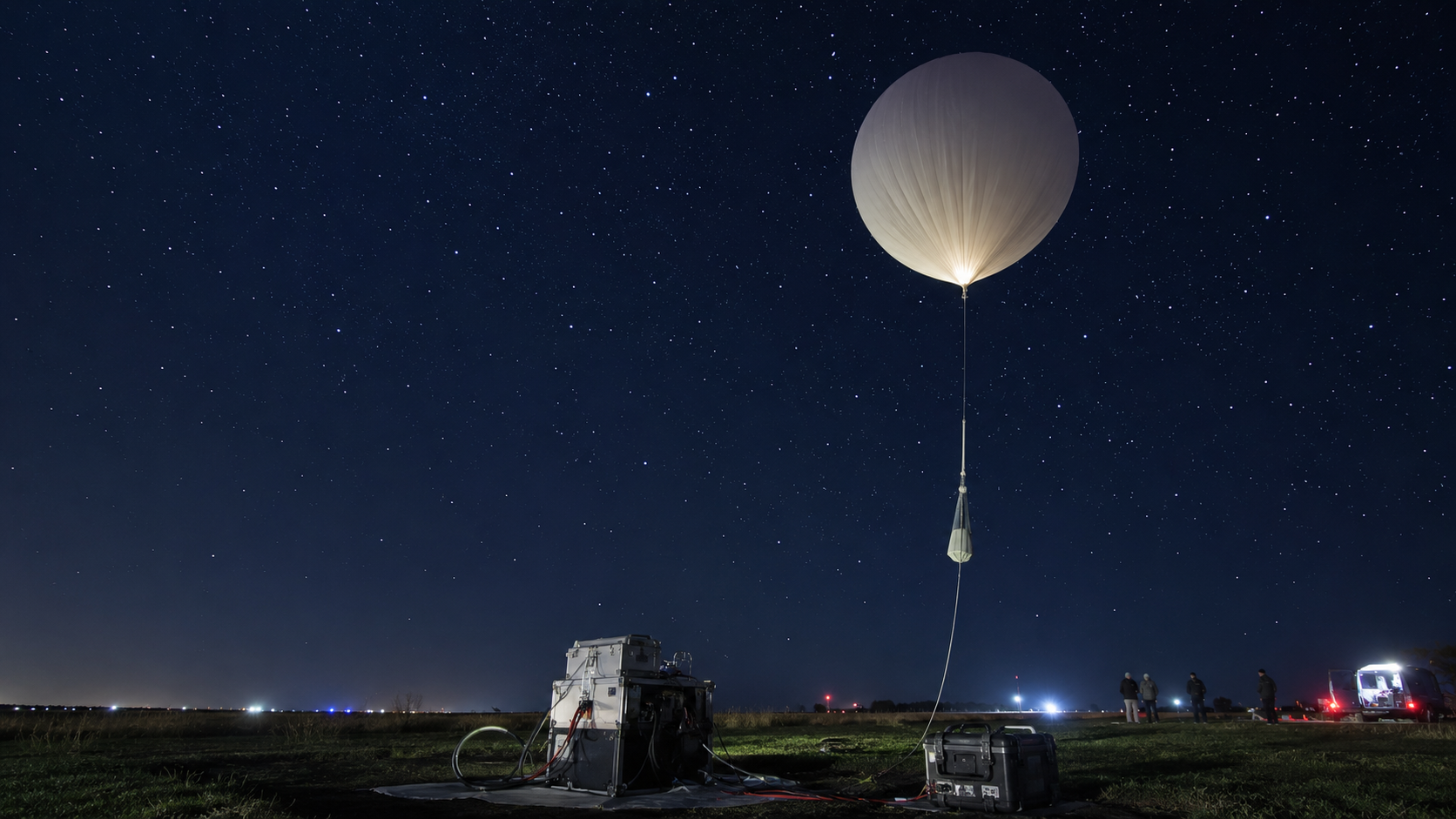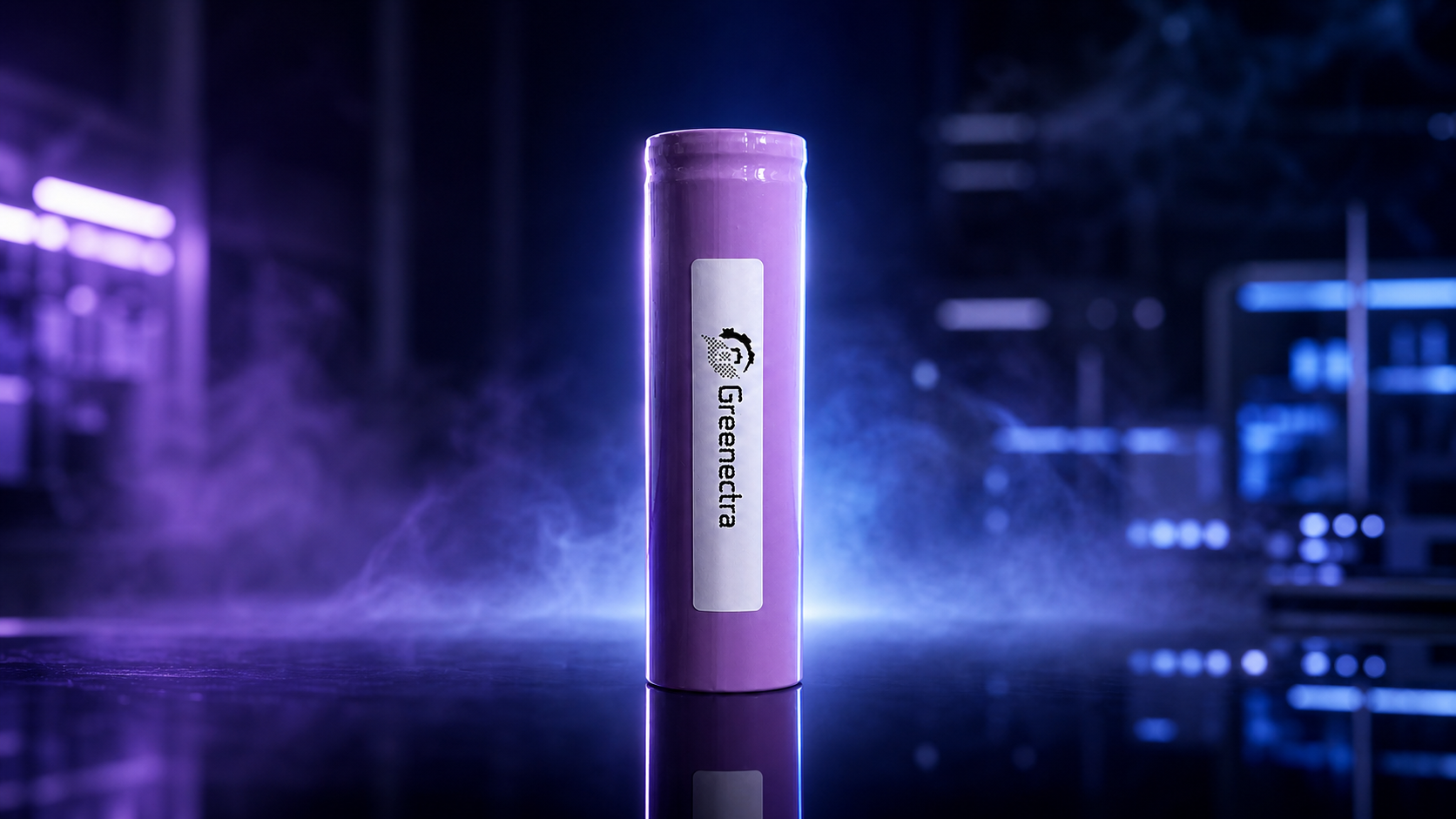
This project started with the idea of a portable power supply that can operate in very challenging conditions and which could be built based on a standard format for Li-ion batteries.
Initially, we looked at what is already available on the market. There are plenty of reasonably priced 18650 cells out there, with decent specifications according to the data sheets, at least. We could have just selected one and tested it, and that is basically what most companies do.
But if the product needs to perform really well in challenging conditions, the cells really matter, and relying purely on off-the-shelf options is a compromise. Also, manufacturers typically keep some key business secrets for themselves and may not tell you all electrolyte additives or the exact conditions during formation.
We wanted to know what we are working with, and actually, we also like the idea of our own cell because we know that many companies failed doing that, and we wanted to show that we can do it, especially since we did not want to develop just any cell, but a cell that performs well when conditions get really difficult. We wanted to show that the recipe works on a large-scale industrial manufacturing level, so for obvious reasons, we did not do the manufacturing ourselves (not yet). The challenge was to find a partner that can build cells from that recipe on a large-scale industrial production line.
Defining what a “good” cell actually means
What does a cell need to do to be considered robust in real conditions?
- Handle high discharge rates
- Maintain stability under repeated cycling stress with a lifetime reasonable for the final product
- Work reliably at low and high temperatures
- Be manufacturable on a large industrial scale
From Idea to Recipe
We worked with a senior cell manufacturing expert who has successfully executed multiple battery manufacturing technology transfers in the past. That experience matters because it helps avoid the typical traps between lab results and real production.
As mentioned already, production was outsourced, and we worked with a Chinese partner. This allowed us to move fast and work within an existing industrial environment.
What Came Out of It
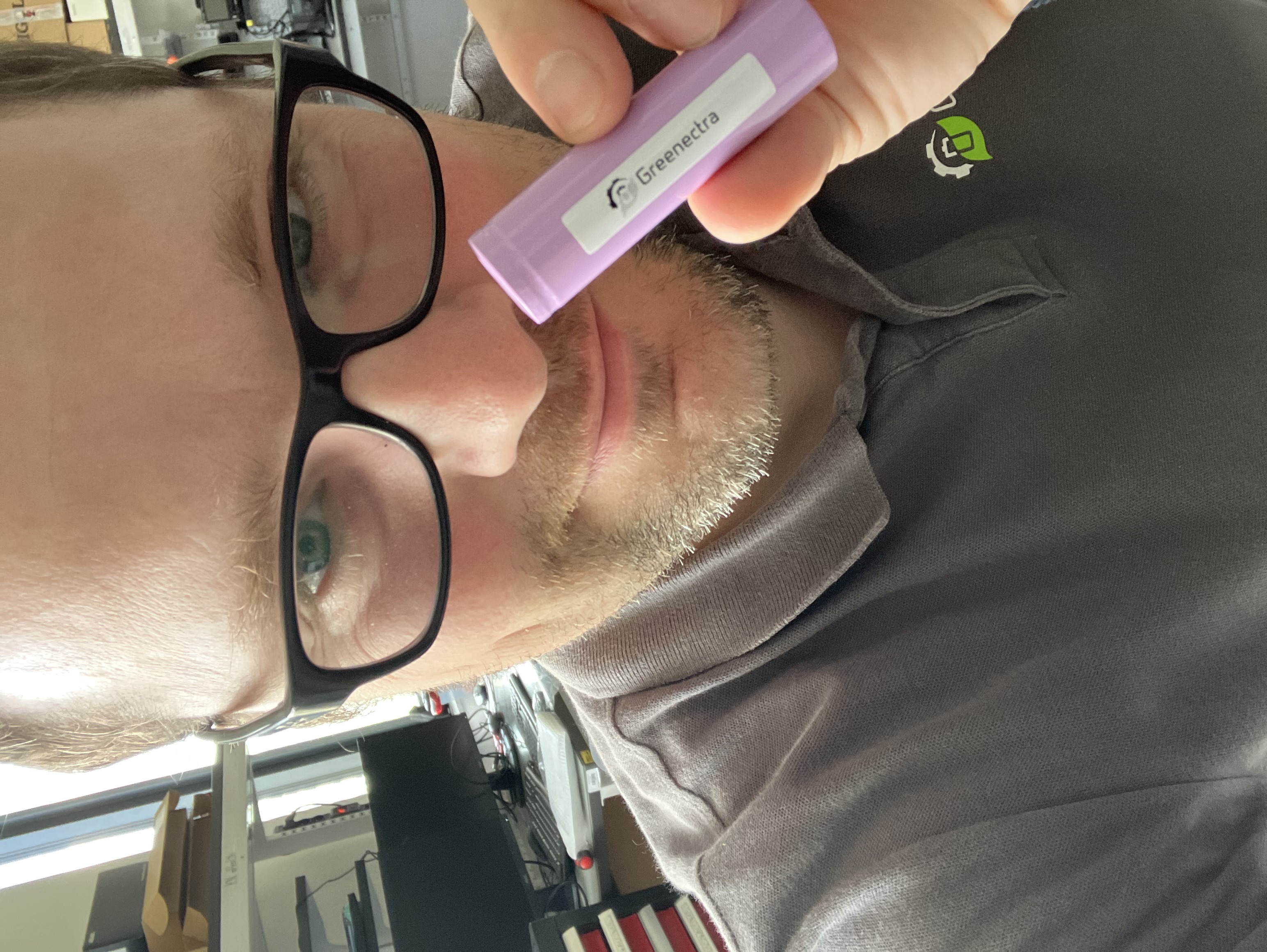
What we have today is an 18650 LFP cell with a performance profile we are quite satisfied with (at this stage):
- 1.6 Ah nominal capacity
- Continuous discharge capability up to 3C
- 96% state of health after 500 cycles at 2C/2C (CC‑CV charging, room temperature, SOC window 0-100%)
- Cycling tests still ongoing to understand long-term behavior
- Discharge capability down to −40 °C
A Note on the Data
We are not finished. 96% SOH after 500 cycles at 2C/2C is great, but cycling is still ongoing.
In parallel, third-party validation testing is currently running, because internal results are one thing — independent confirmation is what matters. When we consult or teach about battery system development, we always recommend doing your own tests and not only relying on supplier testing data alone. Also, the real fun tests will start soon, and we will post updates accordingly.
Closing the Loop: Back to the Product Idea
In parallel to testing, we work on product integration. This is where development becomes real (and fun): thermal behaviour, real load profiles, system interaction — all the things that do not show up in isolated standard cell testing.
Legal Disclaimer
The information provided in this article is for general informational purposes only and represents a personal view. All information is provided in good faith; however, Greenectra OÜ makes no representation or warranty of any kind, express or implied, regarding the accuracy, adequacy, validity, reliability, availability, or completeness of any information.
Under no circumstances shall Greenectra OÜ be held liable for any loss or damage of any kind incurred as a result of the use of this information or reliance on any information provided. Your use of this information and your reliance on any information is solely at your own risk.